

What does is mean to be human? That’s a question philosophers and other thinkers have been asking for as long as they’ve been around.
The first chapter of Genesis has an answer to that question, and it’s both simple and profound: Humans are the ones that God put in charge of creation, and their charge included not only taking care of themselves but of everything that has the breath of life.
And to fulfill that task, they were made in the very image of God.
Of course, theologians and believers in the Genesis story have debated exactly what that means for as long as they’ve been around. Maybe the creation account in Genesis 1:1-2:3 raises more questions that it provides answers. But the answers it does provide are, to use the words of 1:31, very good.
So here are three very good takeaways we can learn from this creation story, the first of two in Genesis (the second account begins in 2:4):
1. God created everything
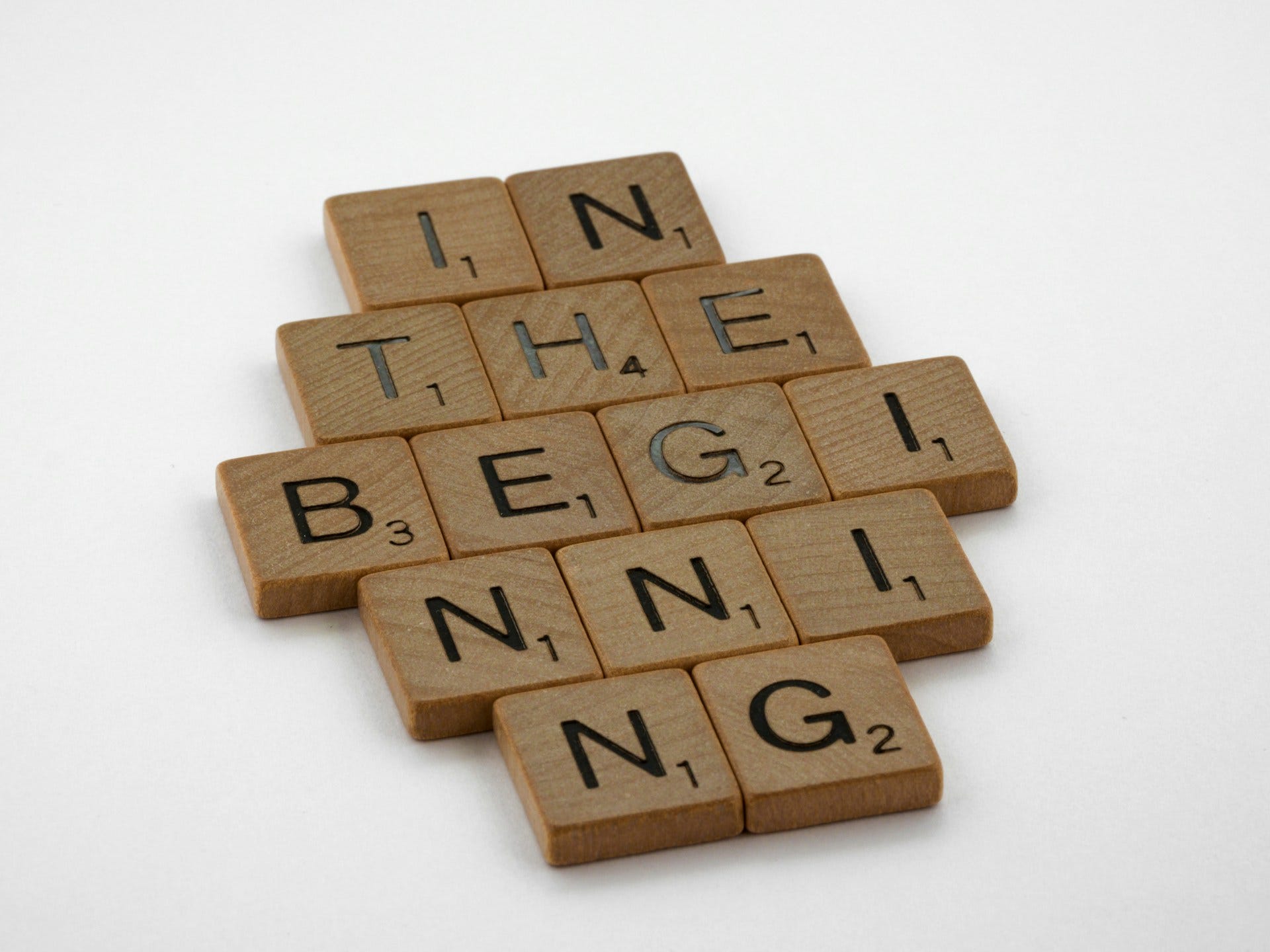
Genesis begins with a well-known verse: “In the beginning, God created the heaven and the earth.”1 Scholars generally understand the reference to heaven and earth as a merism, a type of literary construct in which two contrasting things, in this case heaven and earth, are used to represent the whole. So the meaning of this verse is that God created everything there is, the entire universe.2
This marks a contrast with some polytheistic creation accounts of the region, or to any system which gives blind chance credit for the creation.
2. Humankind was made in the image of God to take care of creation
It was the sixth day in Genesis 1:25, and God had just created the animals of the earth include livestock and the creatures that crawl on the ground.
And while “image of God” isn’t explicitly defined, verse 26 tells why humankind was made:
God said, “Let’s make humankind in our image, after our likeness, so they may have dominion over the fish of the sea, and over the birds of the sky, and over the livestock, and over all the earth, and over every creeping thing that creeps on the earth.
In other words, God wasn’t going to be a micromanager. The first command God gives humankind after telling them to multiply and take control over the earth was to “have dominion” over all the living creatures known to the ancient world, and a few verses later that’s followed up with a humankind being given “every herb yielding seed.”
It was in this way that humankind would become God’s representatives on the newly formed planet. In a sense, humans were made from the very beginning to be godlike. When it comes to managing the world, they were in essence delegated divine authority, and with that the ability to make decisions about things that matter.
3. All that God made was excellent
Six times after creating things — after making light, after separating land from the water, after creating plants, after placing lights in the sky, after creating animals of the air and see, and after creating land animals, God saw that what was created was good (Hebrew tov). And after creating humankind: God saw that the creation was very good, tov meod, which might be more literally translated as abundantly good.
So humankind became the pinnacle of creation, and not merely by being last. Once humans were made, God saw the work of creation as being complete or finished.
A final thought
The Hebrew word for humankind in Genesis 1 is adam, the same as the word used later for Adam. But this chapter is about the creation of all people; it is meant as a universal story. God is portrayed here not as giving ruling authority to Adam specifically (that story comes in the second chapter), but to all human beings. For Christians, this creation story serves as a foreshadowing of a gospel that offers love and salvation for all.
This commentary on Genesis 1 is the first article (some of them previously published) in our Bible for Modern-day Saints series. Although the series is written for a broad audience, it is scheduled to roughly coincide with the Come, Follow Me curriculum of The Church of Jesus Christ of Latter-day Saints. Unless otherwise indicated, quotations from Genesis are adapted from the World English Bible, which is in the public domain.
This is from the King James Version of the Bible. Most modern Bibles translate the Hebrew of Genesis 1:1 as “When God began to create the heavens and the earth” or something similar.
Merisms are common in Biblical poetry. Examples of merisms in Genesis are the use of evening and morning to represent an entire day, and “knowledge of good and evil” to refer to the knowledge of all that can be known. And in Revelation 1:8, the Lord God uses the label of “Alpha and Omega” (the first and last letters of the Greek alphabet) as a way of indicating totality.